Our communities of practice
At CASC, Communities of Practice are a familiar model used to bring members of the network together – to ideate, collaborate and collectively have impact on their work to advance STEM learning in Canada. The following Communities of Practice are available for CASC members at all levels:
What is a community of practice?
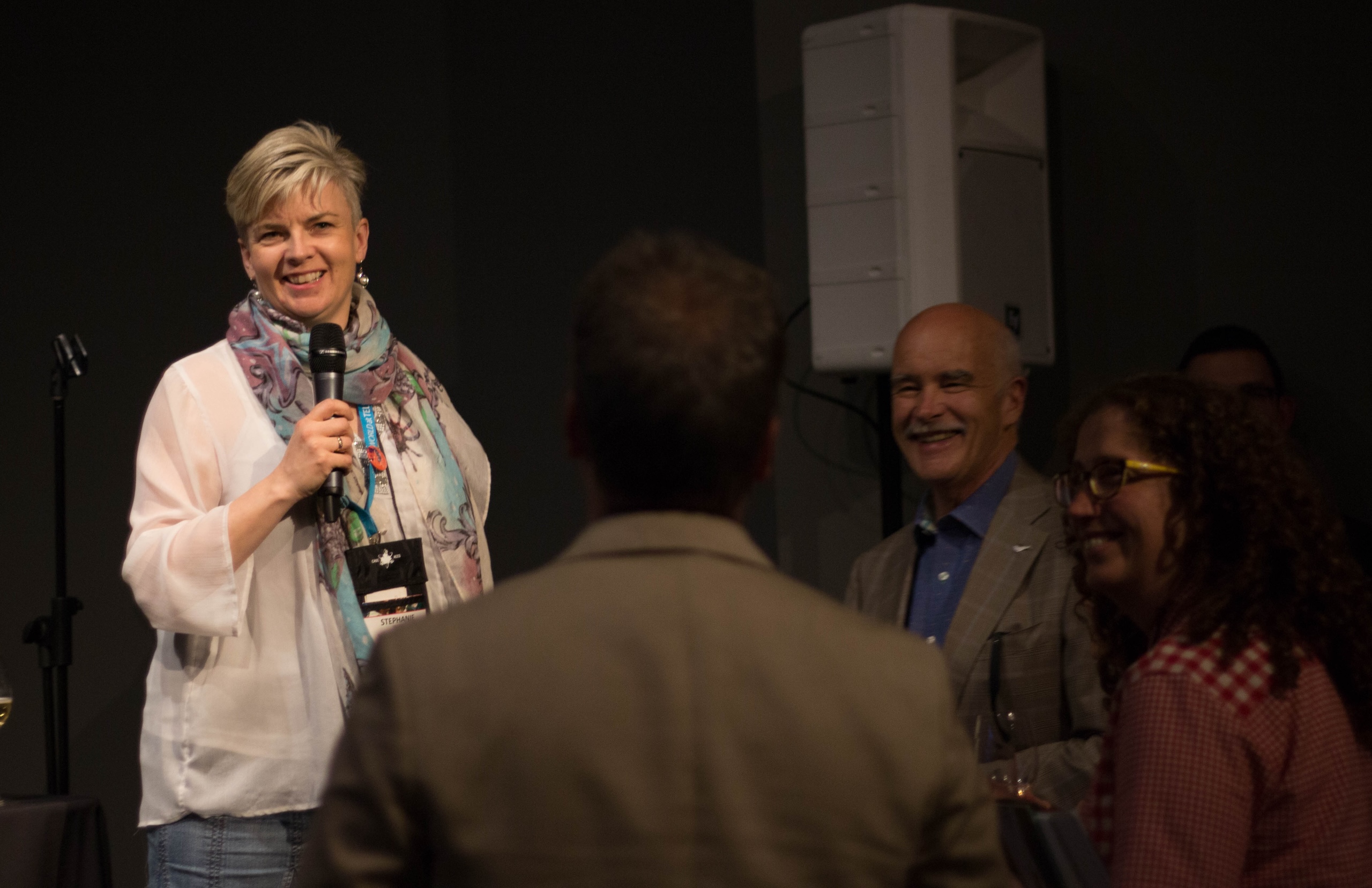
A community of practice, or CoP, is a group of people who share a common concern, a set of problems, or an interest in a topic. These groups meet regularly – in person and virtually – and come together to fulfill both their individual and group goals.
Science Connection Community of Practice
Meetings: Bimonthly (Second Tuesday at 2pm ET unless otherwise stated)
The Science Connection Community of Practice provides a bimonthly opportunity for members to learn from experts and network with peers on a range of topics.
The CoP is open to CASC members and non-CASC members who are involved with science public engagement including knowledge mobilization, health communication, climate communication, formal and informal education, policy, research, etc.
We emphasize the sharing of practical skills, actionable insights to improve our members’ work and encourage guest presenters to provide ready-to use frameworks, tools, and tips that meeting attendees can use in their work.
CoP members can expect to:
- Learn from experts
- Network with professionals in the science public engagement community across sectors
- Access the growing resource library
Educators and Programmers CoP
Meetings: Monthly (Third Tuesday of each month), 3:00 pm EST
The Educators and Programmers CoP was established in 2020. This community is for programming and education staff across the CASC membership. The CoP is a place for sharing, collaboration, and learning. It offers best practices, guidelines, and strategies that lead to quality educational and outreach programming in our science centres, museums and outreach organizations.
National Environmental Learning Leaders CoP
Meetings: Monthly
Leading ongoing conversations and opportunities for our organizations (Canadian Network for Environmental Education and Communication – EECOM) to learn from each other and create a stronger informal environmental education sector.