
CASC Research Task Force
Impact Evaluation Exchange
A quarterly opportunity for CASC members to learn from one another, bring Canadian research to the forefront, and collectively advance our understanding of impact across the informal STEM learning sector.
The Initiative
Initiative Details
The CASC Research Task Force was established in 2025 to evaluate and highlight the social and economic contributions of the informal STEM learning (ISL) sector. Its overarching goal is to leverage collective impact to strengthen the ISL ecosystem and build a more compelling case for sustained funding and long-term resiliency. Collective impact is an approach where organizations commit to a common agenda, shared measurements, and mutually beneficial activities, all with the support of a backbone organization that facilitates continuous communication.
As a National Association, CASC can serve as that backbone support and facilitator. Central to this work is a shift away from a scarcity mindset, towards an abundance mindset that emphasizes access to shared knowledge, stability, and network strength. Through sector-wide participation and knowledge sharing, this collaboration aims to shape the future of the ISL sector in Canada and reinforce its value in Canadian society.
Given the smaller size of most Canadian ISL organizations, many forms of impact measurement are not feasible. By creating a practical approaches to effective, evidence-based and empirically informed evaluation and research for all CASC members, the Exchange can be a valuable contribution to the association’s goal of assessing our collective impact.
The Task Force is focused on identifying evaluation metrics that capture the social and economic contributions of ISL organizations. Building on the initial report and a literature review, the task force will engage CASC members in discussions around data verification, selections of indicators, and barriers to indicator measurement. These steps aim to position the sector for greater benchmarking, impact and sustainability.
The Programme
The Impact Evaluation Exchange
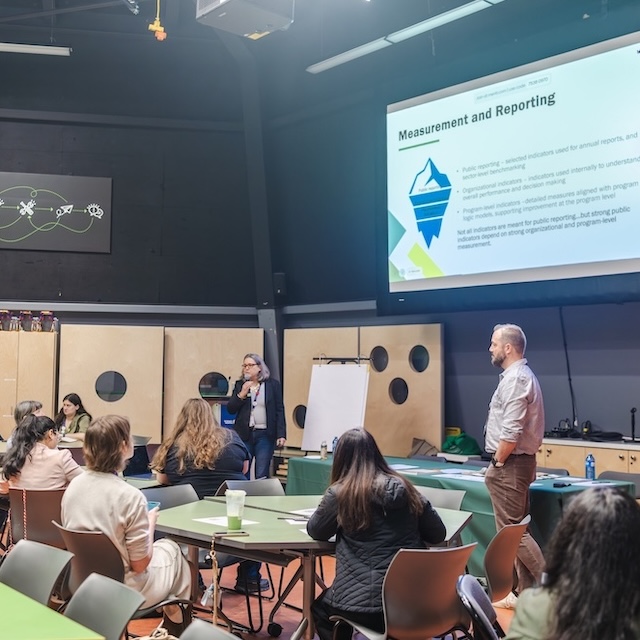
The CASC Impact Evaluation Exchange provides a quarterly opportunity for members to learn from one another and directly influence change within the ISL sector. With a focus on social impact, the Exchange aims to bring Canadian research to the forefront, identify key impact indicators and evaluation tools, and collectively advance our understanding of societal impact across the ISL sector.
This opportunity is open to CASC members who are involved in evaluation and impact measurement, or who are interested in learning more about these areas. The Exchange also welcomes those focused on strategic thinking related to indicators and outcomes, strategic planning, and sector-wide benchmarking.
Participants can expect to:
- Strengthen the case for their organization’s community impact
- Learn from peers about unique impact indicators used across the network
- Access and provide live feedback on Research Taskforce initiatives
- Contribute input toward shaping broader network and societal surveys (e.g., ASTC, StatCan)
The Schedule
Session dates
All sessions are from 2 PM to 3 PM EST
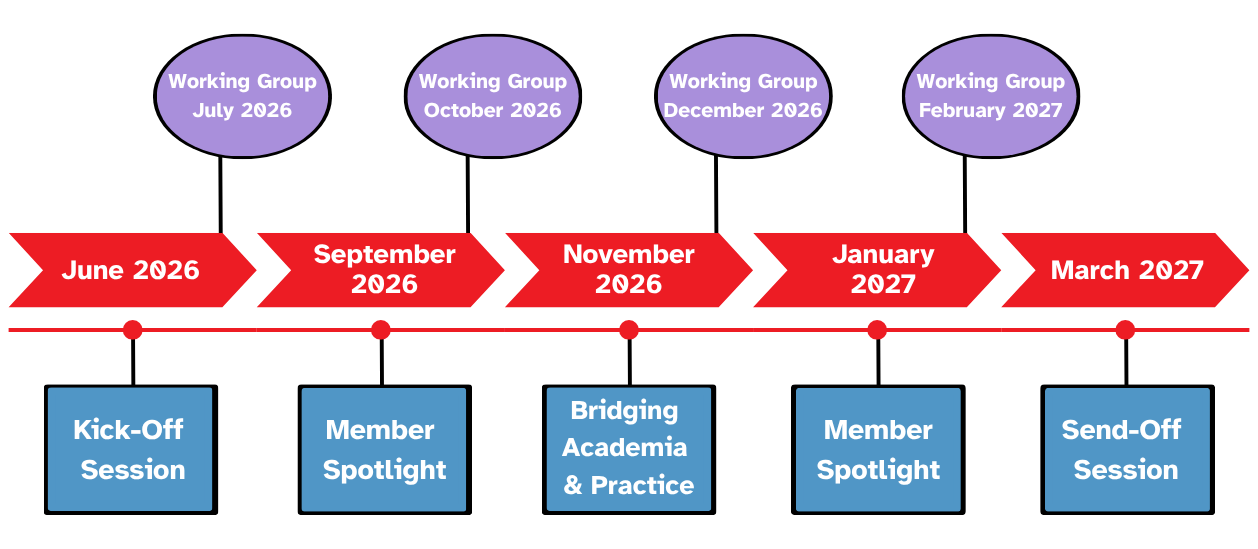
| June 18, 2026 | Kick-off and introduction |
| September 17, 2026 | Creating Meaningful Indicators Register Now |
| November 19, 2026 | Bridging Academia and Practice |
| January 21, 2027 | Member Spotlight |
| March 18, 2027 | Send-Off Session |
Resources
Files
Download the latest reports and working documents from the Research Task Force.
The People
About the Team

Marianne Mader
Dr. Marianne Mader is the CEO of the Canadian Association of Science Centres, a member-based organization representing over 90 organizations that collectively engage more than 10 million citizens each year in STEM topics. This network of trusted organizations represents a critical component of Canada’s science, technology, and innovation landscape. Dr. Mader is a Fellow of the Royal Canadian Geographical Society College, an alumnus of the Governor General’s Canadian Leadership, a recipient of a US Antarctic Service Medal, and an awardee of a King Charles III Coronation Medal for her work in fostering science culture in Canada.

Julia Lalande
Dr. Julia Lalande is the Director of Research and Impact at the Ontario Science Centre where she and her team lead the iterative development and application of evidence across the organization. She also leads a newly created taskforce on impact for the Canadian Association of Science Centres. Over the past 20 years she has worked in research, knowledge mobilization and performance measurement in both the university sector as well as the public service, focusing primarily on social justice areas such as homelessness, occupational health and safety and STEM Equity.

Chantal Barriault
Dr. Chantal Barriault is the Director of the Science Communication Graduate Programs, the only one of its kind in Canada, offered jointly by Laurentian University and Science North.
Chantal spent most of her early career working at Science North, leading science communication projects like teacher training, education programs, and exhibit development.
She also led visitor studies and learning impact research for Science North. She continues this research today with her graduate students, assessing exhibit learning experience of science centre visitors and investigating the impact of informal learning programs. Chantal teaches graduate courses in Learning Theories, Research Methods, and Audiences and Issues.

Katrina Pisani
Katrina Pisani, MSc., is the Manager of Research and Evaluation at Science North. Over the last 16 years, Katrina has led research and evaluation projects on multiple travelling exhibitions, multimedia theaters and experiences, exhibit renewals, funded projects, and more. Her expertise lies in survey development, research tool design, and creating effective methods for grant-funded research projects. Katrina is also an Adjunct Professor in the Science Communication Master’s program (a partnership program between Laurentian University and Science North), lectures in the Communicating Science Through Exhibits course, and helps students complete their Major Research projects and placements.

Averyl Bender
Averyl Bender (she/her) is a Research Analyst at the Ontario Science Centre, where she plays a key role in impact measurement to better understand and articulate impact across initiatives. She earned her Bachelor of Public Health from the University of Waterloo and is passionate about using data to inform meaningful change.

Siena Domaradzki-Kim
Siena Domaradzki-Kim (she/her) is the Communications Lead for the Canadian Association of Science Centres (CASC). She’s a graduate of Carleton University’s Journalism program, and earned her Master’s from the University of St Andrews before moving back to Canada to continue her career in the nonprofit realm. She completed the certificate program for Evaluation for Social Change and Transformation from Simon Fraser University, growing her capacity for developmental evaluation.